
Iran Building Stone Atlas
About Iran Stone Atlas
Understanding a stone begins with its name and appearance and continues with its quarry. Iran Stone Atlas connects building stone families to their associated quarries, offering a way to explore, understand, and review information about Iran’s stones.
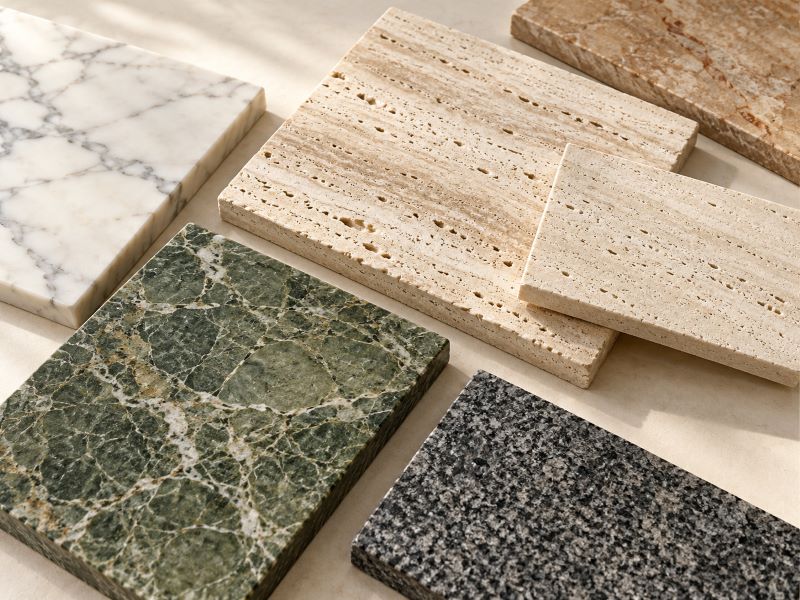
Our Purpose
Organised information for a better understanding of stone
Trade names, differences in appearance, and the variety of quarries can make stone research challenging. The Atlas brings this information together in a clear structure, guiding you from a stone type to its families and then to the details of each individual quarry.
This approach is designed for architects, designers, stone industry professionals, and anyone interested in building stones. Images help you understand a stone’s appearance, while quarry information provides more specific context for reviewing stone grades and available documentation.
Information Structure
Each detail in the right place
The Atlas distinguishes between a general introduction to a stone family and the properties of stone extracted from a particular quarry.
Stone Type Page
The starting point for browsing the Atlas. Select a stone type to explore the families listed within that category and narrow your search.
Stone Family Page
An overview of the stone, its colour range, appearance, and general applications. This page also links to quarries associated with that stone family.
Quarry Page
Information specific to each quarry, including available images of the quarry and stone blocks, stone grades, videos, catalogues, test reports, location, and contact details.
A sample’s technical properties apply to that sample and its report. Test results from one quarry cannot be extended to every quarry or grade within a stone family without further assessment.
Sources and Information Review
From images to technical evidence
Quarry information may come from descriptions supplied by the owner or operator, catalogues, images, videos, and test reports. The availability and detail of these sources vary between quarries; each page is completed using the information available.
- When reviewing test results, check the sample details, test date, laboratory name, and units of measurement alongside the results.
- For a closer review, refer to the original report or catalogue available on the quarry page.
- A stone’s appearance in photographs can be affected by lighting, surface finish, and your display. Examine a physical sample before making a final selection.
- The listed applications offer initial guidance. A stone’s suitability for a project depends on installation conditions, the environment, and the properties of the specific product.
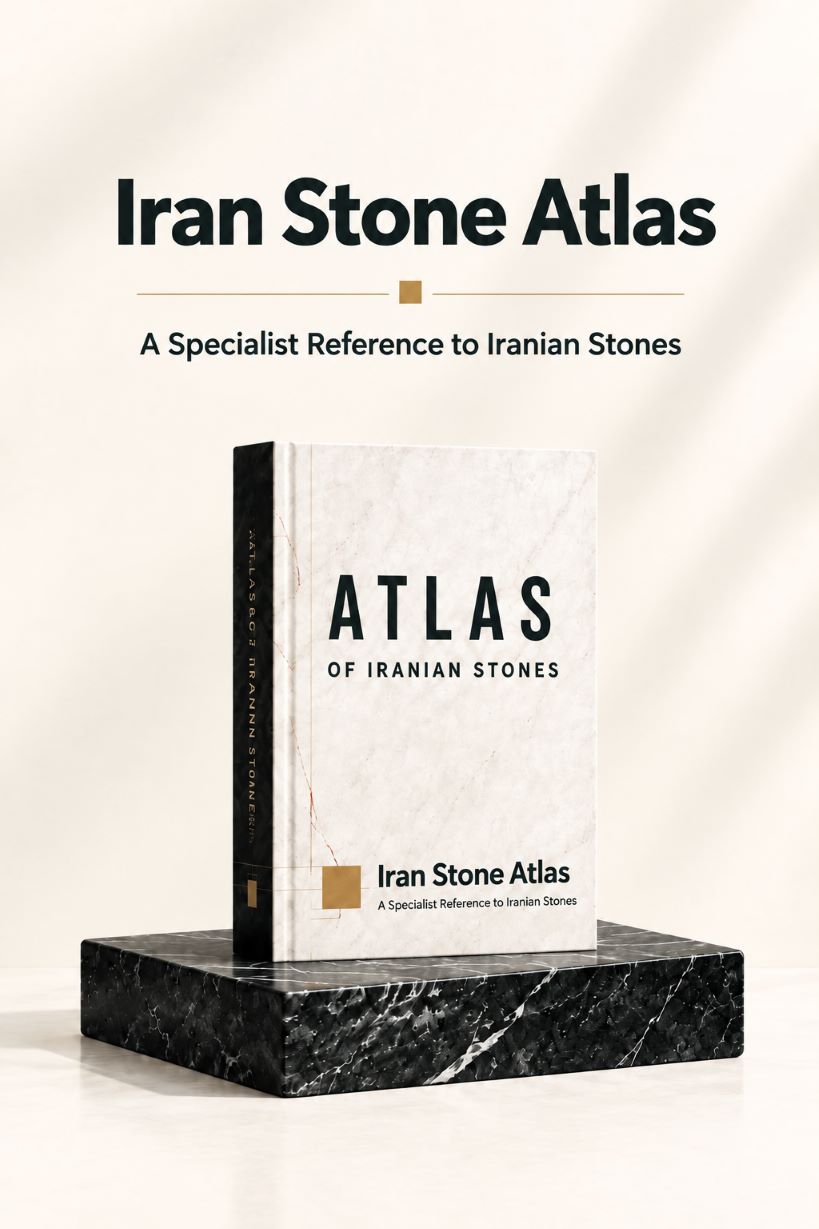
The Atlas, beyond the pages of a book
Iran Stone Atlas also has a book edition. The website complements it with additional detail, including multiple images, videos, technical files, and individual quarry profiles.
Each stone family is linked to its associated quarries, allowing you to review general stone information alongside the details of each quarry. This structure allows the Atlas to grow as new information and documents become available.
Contribute to the Atlas
More accurate information through industry participation
If you own or operate a quarry, or have documented information about a stone or quarry, you can contact the Atlas to help complete its profile.
To suggest a correction, provide the stone or quarry name, the page URL, and an explanation of the proposed change, together with relevant documentation or a source. These details help us review the information more precisely.
Start with the stone family; explore the details at the quarry.
Explore the Stone Atlas